Why Choose Biology Wildlife Sciences at Bethel University?
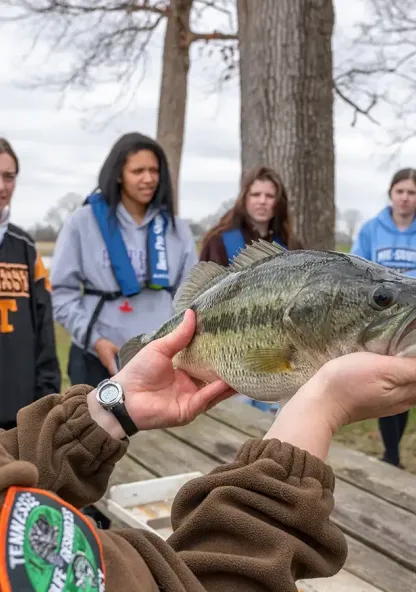
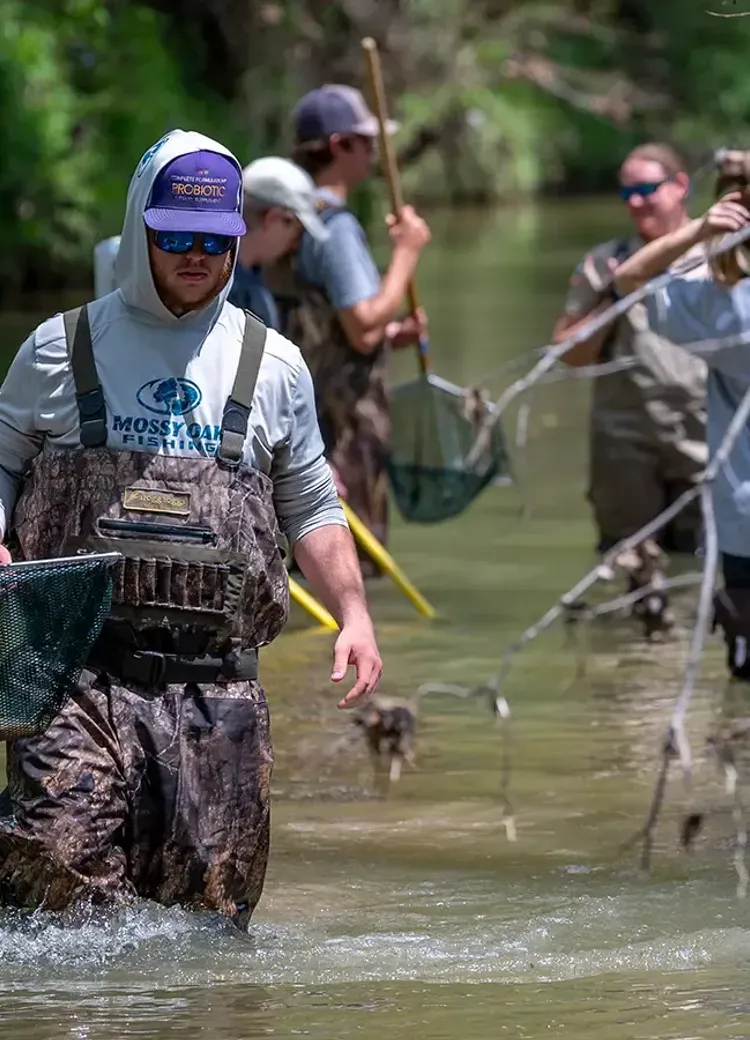
Biology Wildlife Sciences is for the biologist who wants to work with living systems in the field, not just the lab. It pairs the full biology major with a strong environmental and organismal focus, covering ecology, evolution, animal behavior, and conservation, along with the science of how organisms and ecosystems interact. If you are drawn to wildlife, natural resources, and the health of the natural world, this is the path that prepares you to study and protect it.
What sets it apart is its breadth across the environmental sciences. Beyond core biology, you study environmental science, environmental chemistry, animal behavior, and the ethical and policy sides of environmental issues, giving you the well-rounded perspective that conservation and wildlife careers demand. Field-based coursework and recommended electives in wildlife zoology let you build hands-on experience with the organisms and habitats you care about.
What You’ll Learn
In this program, you will learn:
- A foundation in biological chemistry, cell biology, genetics, and evolution
- A working knowledge of microbiology and the diversity of life
- A command of genetics and the biochemical basis of inheritance
- An understanding of ecological relationships, energetics, population dynamics, and ecosystems
- Knowledge of population biology and evolution, including speciation and population structure
- Insight into the evolutionary relationships, form, and function of chordates
- An understanding of how animals adapt to their environments physiologically and behaviorally
- A knowledge of animal behavior, including its physiological, evolutionary, and ecological aspects
- The principles and techniques of conservation biology and biological diversity
- A grasp of environmental science, chemistry, issues, policy, and ethics
- Strong field and laboratory skills developed across the curriculum
Courses You'll Take
Every course in the biology major is required, with laboratory work throughout:
BIO 111, Introduction to Biology I
BIO 112, Introduction to Biology II
BIO 211, Introduction to Microbiology
BIO 302, Comparative Chordate Morphology
BIO 304, Genetics
BIO 305, Population Biology and Evolution
BIO 312, Environmental Physiology of Animals
BIO 401, Ecology
BIO 419, Cell Biology
BIO 421, Conservation Biology
BIO 497C, Biology Capstone
The Environmental Science Core
The program core adds an environmental and organismal foundation through BIO 318 Animal Behavior (the physiological, evolutionary, and ecological aspects of animal behavior), Environmental Science (the structure and function of ecosystems, human population growth, pollution, and resource conservation), Environmental Chemistry (the fate of chemicals and biochemical and geochemical cycles), Issues in Environmental Studies (the scientific, economic, political, and ethical dimensions of environmental issues), and Environmental Ethics. Recommended electives include the field zoology courses Mammalogy, Ichthyology, Herpetology, and Ornithology.
Career Possibilities
Field Biologist
Studies organisms and ecosystems in their natural settings, collecting and analyzing data in the field.
Wildlife Biologist
Studies animals and their habitats to support conservation, management, and research.
Conservation Scientist
Works to protect and manage natural resources, ecosystems, and biological diversity.
Environmental Scientist
Studies environmental problems and develops solutions related to pollution, resources, and ecosystem health.
Ecologist
Researches the relationships between organisms and their environments across populations and ecosystems.
Natural Resource Manager
Oversees the use and protection of land, water, wildlife, and other natural resources.
Park Naturalist or Ranger
Manages and interprets natural areas for the public while supporting conservation and education.
Wildlife Rehabilitation or Zoo Specialist
Cares for and manages animals in rehabilitation, zoo, or conservation settings.
Related Degrees and Programs
If you’re interested in this degree or program, here are others you might find intriguing.
See All