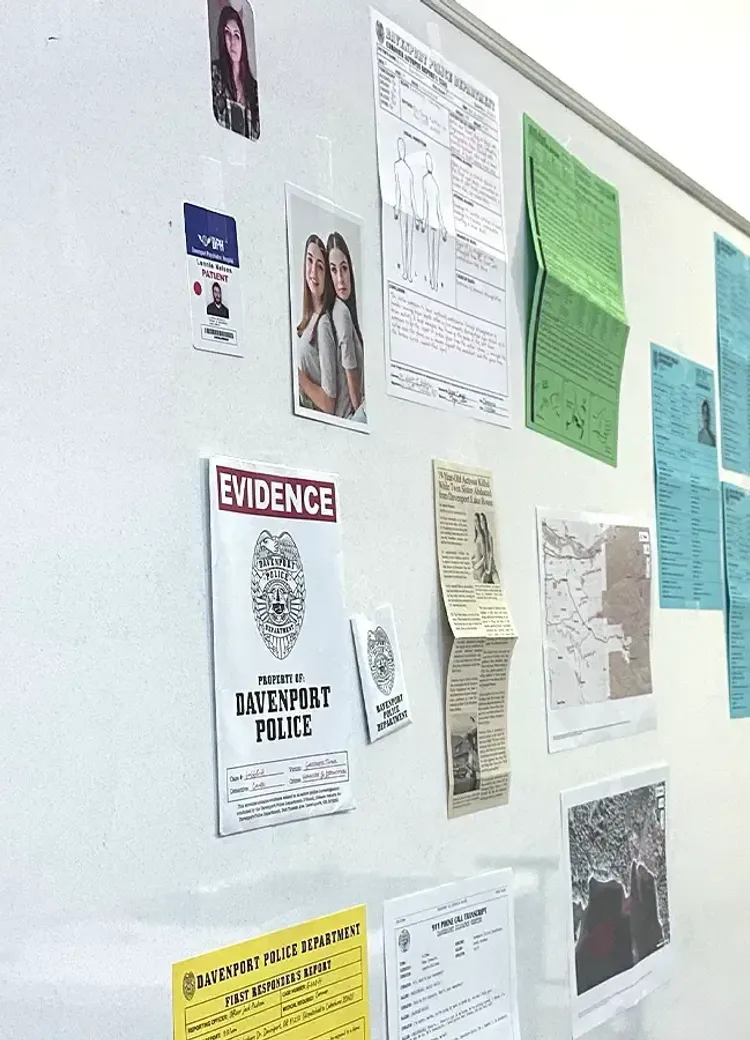
Why Choose Forensic Science at Bethel University?
Forensic Science is where laboratory science meets the pursuit of justice. This degree trains you to apply real biology and chemistry to the investigation of crime, from analyzing evidence at the bench to understanding how that evidence holds up in court. It is a rigorous, science-heavy major for students who want to solve problems that matter using the tools of the laboratory.
The program's strength is its genuine depth in the sciences. You complete a full sequence in biology and chemistry, including microbiology, genetics, organic and analytical chemistry, and biochemistry, then pair it with forensic and criminal investigation coursework that carries evidence from the crime scene to the courtroom. Supported by extensive lab work and an internship, you graduate prepared for the crime laboratory, the field, and graduate study.
What You'll Learn
In this program, you will learn:
- An understanding of forensic science and the relationship between science and the law
- Crime scene investigation skills, including evidence collection, preservation, and documentation
- A knowledge of criminal investigation across crimes against people, property, and the state
- The ability to evaluate and prepare evidence for court presentation
- A foundation in microbiology, genetics, and cell biology relevant to biological evidence
- A command of organic and analytical chemistry, including instrumentation and separation methods
- A grounding in biochemistry, including biomolecules, enzymes, and metabolism
- The quantitative and statistical skills to analyze and interpret scientific data
- Extensive laboratory experience across biology and chemistry
- Real-world experience through a forensic or science-oriented internship
Courses You'll Take
These are the main courses that define the major:
FSC 100, Forensic Science
FSC, Forensic Science II: Crime Scene Investigation
CJS 392, Criminal Investigations
CJS 393, Advanced Criminal Investigations
CJS 410, Criminal Evidence
BIO 211, Introduction to Microbiology
BIO 304, Genetics
BIO 419, Cell Biology
CHE 311, Organic Chemistry I
CHE 320, Analytical Chemistry
CHE 412, Biochemistry
BIO 460, Internship
Career Possibilities
Forensic Scientist
Analyzes physical evidence in a laboratory to support criminal investigations and legal proceedings.
Crime Scene Investigator
Documents, collects, and preserves evidence at crime scenes for laboratory analysis and court.
Forensic Chemist
Analyzes substances such as drugs, trace evidence, and unknown materials using chemical and instrumental methods.
Forensic Biologist or DNA Analyst
Examines biological evidence such as blood, tissue, and DNA to identify individuals and support investigations.
Forensic Toxicologist
Tests biological samples for drugs, alcohol, and poisons in criminal and medical investigations.
Crime Laboratory Technician
Prepares samples, runs analyses, and maintains instrumentation in a forensic laboratory.
Related Degrees and Programs
If you’re interested in this degree or program, here are others you might find intriguing.