Why Choose the Music Education Emphasis at Bethel University?
This is the degree for musicians who want to spend their lives sharing music with others. As a Bachelor of Music with a Music Education emphasis, it develops you as a serious musician first, with a full core in theory, history, analysis, and performance, then builds the teaching skills to lead a K-12 music classroom, choir, or band. You graduate ready to both perform and teach at a high level.
One of the things that makes Bethel distinctive is the diverse range of music you will encounter here. You can learn from and perform alongside musicians working in classical, country, contemporary Christian, gospel, bluegrass, traditional, jazz, and modern a cappella styles. That variety can help you become a more versatile musician and prepare you to connect with students whose musical interests are just as varied.
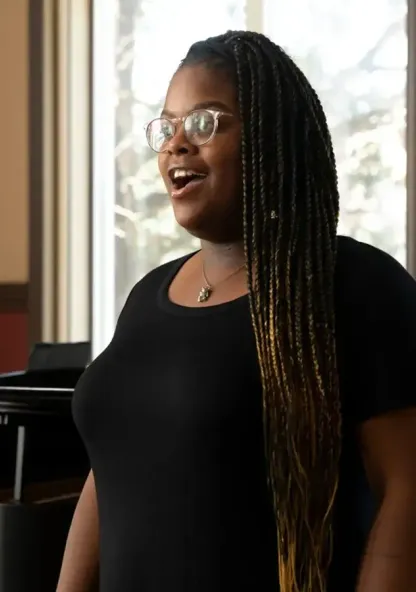
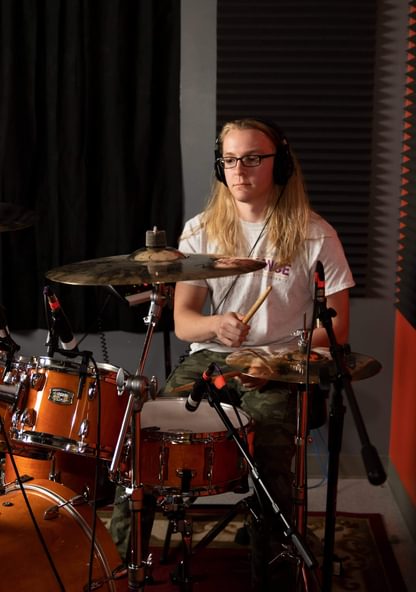
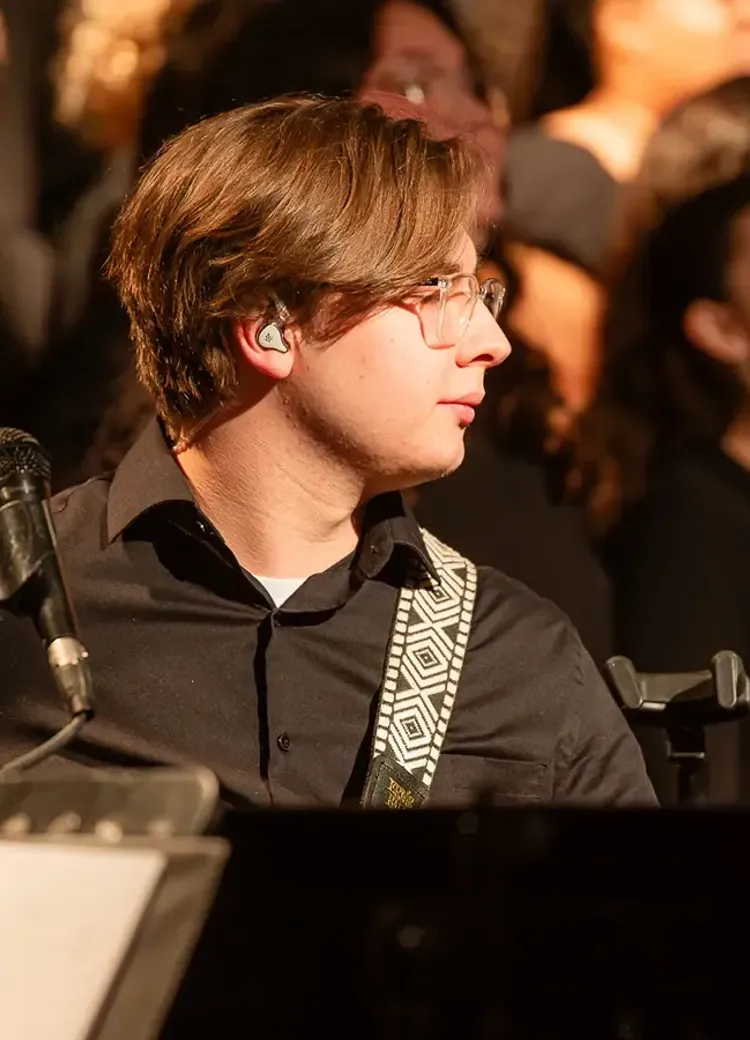
You will also have opportunities to perform throughout your time at Bethel. Through our Renaissance performing arts programs, Music Department students—and students in other majors—can pursue scholarships while participating in the Renaissance Choir, Rhythm Section, Bluegrass Band, Country Band, worship team, marching band, concert band, musical theatre program, production team, and many other groups.
What sets the program apart is how complete the preparation is. You learn to conduct, to teach brass, woodwind, and percussion instruments, and to build a music curriculum from elementary general music through secondary ensembles. Paired with the Professional Education for Music Education minor required for K-12 licensure, the emphasis prepares you to step into a school and lead a music program from day one.
What You'll Learn
In this program, you will learn:
- Musical versatility through exposure to a wide range of styles and performance opportunities
- A strong foundation in music theory, from fundamentals through advanced harmony and counterpoint
- The ability to analyze musical form, structure, and post-tonal materials
- A broad knowledge of music history from the ancient world to the present
- Conducting skills for both choral and instrumental settings, through advanced score study and rehearsal technique
- The fundamentals of playing and teaching brass, woodwind, and percussion instruments
- Methods for teaching elementary general music, including curriculum, planning, and lesson delivery
- Specialized methods for leading choral and instrumental ensembles, including pedagogy, literature, and recruitment
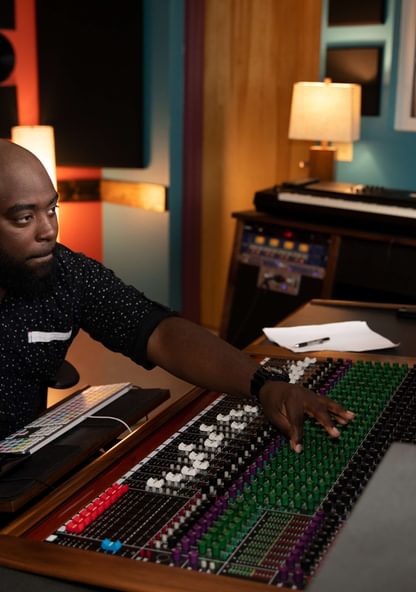
- A working knowledge of music technology for the classroom, including digital audio, MIDI, and notation
- An understanding of the comprehensive role of the music education professional
- Performance proficiency through applied study, ensembles, and recital
Courses You'll Take
These core music and music education courses define the emphasis:
MUS 101, Music Fundamentals
MUS 121, Music Theory I
MUS 122, Music Theory II
MUS 221, Music Theory III
MUS 301, Music History I
MUS 302, Music History II
MUS 327, Form and Analysis
MUS 270b, Foundations in Music Education
MUS 271a, Technology for the Music Classroom
MUS 226, Brass Methods
MUS 227, Percussion Methods
MUS 229, Woodwind Methods
MUS 304b, Conducting
MUS 305b, Advanced Conducting
MUS 346, Elementary Music Methods
MUS 347b, Choral Music Methods
MUS 348b, Instrumental Music Methods
MUS 380, Junior Recital
For the K-12 Vocal track, you will also take MUS 103 and MUS 104, Singers' Diction I and II, which introduces the International Phonetic Alphabet and pronunciation for singing in English, Latin, Italian, German, and French, along with vocal ensembles and applied study in voice, piano, guitar, or harp.
For the K-12 Instrumental track, you will also take MUS 326, Marching Band Techniques, which covers preparing, organizing, teaching, and rehearsing a contemporary marching band, along with instrumental ensembles and applied study in brass, woodwinds, or percussion.
All music majors also complete applied lessons, class piano, ensembles, and Recital Hour, and must pass a piano proficiency examination.
Career Possibilities
K-12 Music Teacher
Teaches music in elementary, middle, or high school, building students' skills, knowledge, and love of music.
Choral Director
Leads and develops vocal ensembles, selecting repertoire, rehearsing singers, and preparing performances.
Band Director
Directs instrumental ensembles, including concert, marching, and jazz bands, from rehearsal through performance.
Elementary Music Teacher
Introduces young students to music through singing, movement, instruments, and age-appropriate activities.
Private Studio Instructor
Teaches individual lessons on voice or an instrument, tailoring instruction to each student's goals.
Worship and Church Music Director
Plans and leads music for worship, directing choirs, instrumentalists, and congregational singing.
Ensemble Director
Organizes and leads a community, school, or church ensemble through rehearsal and performance.
Related Degrees and Programs
If you’re interested in this degree or program, here are others you might find intriguing.