Why Choose the Bachelor of Music in Performance at Bethel University?
The Bachelor of Music in Performance is for the musician who wants to master their instrument or voice. It is an intensive, performance-focused degree that pairs a deep musical core with concentrated applied study, conducting, and pedagogy, preparing you to perform at a high level and to pursue a professional or graduate path in music.
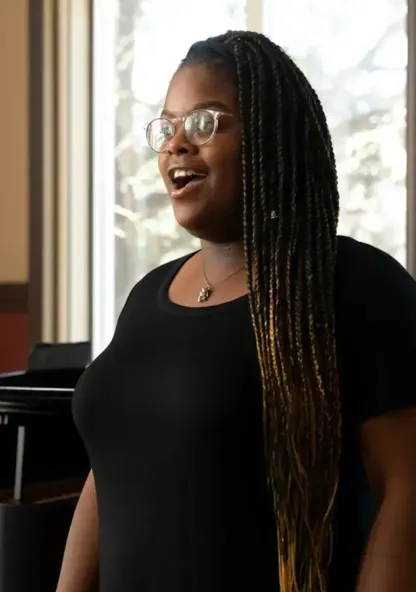
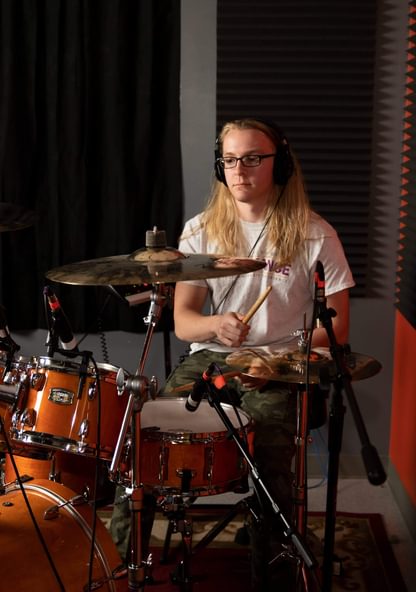
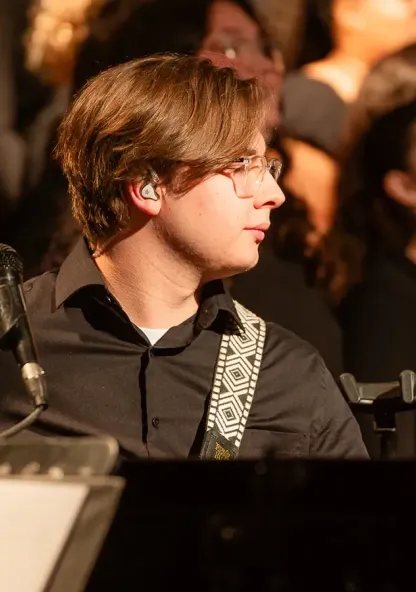
Performance is the point, not an afterthought. You spend significant hours in private applied study in your chosen area, perform in ensembles, and develop as a complete musician through theory, history, analysis, and conducting. The degree is anchored by juried recitals, where you present prepared repertoire to faculty and the public the way a working performer would, guided every step by faculty who know you and your artistry.
What You'll Learn
In this program, you will learn:
- A strong foundation in music theory, from fundamentals through advanced harmony and counterpoint
- Musical versatility through exposure to a wide range of styles and performance opportunities
- The ability to analyze musical form, structure, and post-tonal materials
- A broad knowledge of music history and repertoire through listening and score study
- Advanced performance skill in your applied area of voice, instrument, or keyboard
- Conducting fundamentals for choral and instrumental settings
- Studio teaching skills through applied pedagogy
- The experience of preparing and presenting juried junior and senior recitals
Courses You'll Take
These core courses anchor the Bachelor of Music in Performance:
MUS 101, Music Fundamentals
MUS 121, Music Theory I
MUS 122, Music Theory II
MUS 221, Music Theory III
MUS 327, Form and Analysis
MUS 301, Music History I & MUS 302, Music History II
MUS 235, Survey of Music Literature
MUS 304b, Conducting
MUS 305b, Advanced Conducting
MUS 435, Pedagogy
MUS 380, Junior Recital & MUS 480, Senior Recital
Within your chosen applied area, you will also complete intensive study:
- Applied Voice: sixteen hours of applied voice, plus Singers’ Diction I and II (MUS 103, 104), Pedagogy (MUS 435), and Choral Music Methods (MUS 347b)
- Applied Instrumental: sixteen hours of applied brass, woodwind, guitar, percussion, or strings, plus Instrumental Music Methods (MUS 348b), Pedagogy (MUS 435), and two hours in a secondary applied area
- Applied Keyboard: sixteen hours of applied piano or organ, plus Special Studies in Music (MUS 430), Pedagogy (MUS 435), and two hours in a secondary applied area
All music majors complete applied lessons, class piano, ensembles, and Recital Hour, and must pass a piano proficiency examination.
Career Possibilities
Performing Artist
Performs professionally as a soloist or ensemble member in concert, recording, or commercial settings.
Private Studio Teacher
Teaches applied lessons in voice or an instrument, drawing on advanced performance and pedagogy training.
Orchestral or Ensemble Musician
Auditions for and performs with professional, regional, or community ensembles.
Vocalist or Session Musician
Performs in worship, theater, recording, or live settings across styles.
Collaborative Pianist or Accompanist
Provides skilled keyboard support for soloists, ensembles, and rehearsals.
Conductor or Music Director
Leads and shapes ensembles through rehearsal and performance, often after further study.
Graduate or Conservatory Student
Continues into advanced study in performance, conducting, or a specialized area of music.
Related Degrees and Programs
If you’re interested in this degree or program, here are others you might find intriguing.